
Three Traditional Arts at Palace Natali: Conversation, Writing & Reflection
At Palace Natali, the traditions of the Dubrovnik Republic continue to form daily life of the residence. Many of the values that shaped life in this historic ljetnikovac remain just as relevant today, from the importance of conversation and learning to the simple pleasure of setting time aside for reflection. Palace Natali draws on three daily practices rooted in that tradition. Each offers a contemporary interpretation of a way of life once found here.
The Art of Conversation
The story of Dubrovnik, its Republic and the tradition of the ljetnikovac.
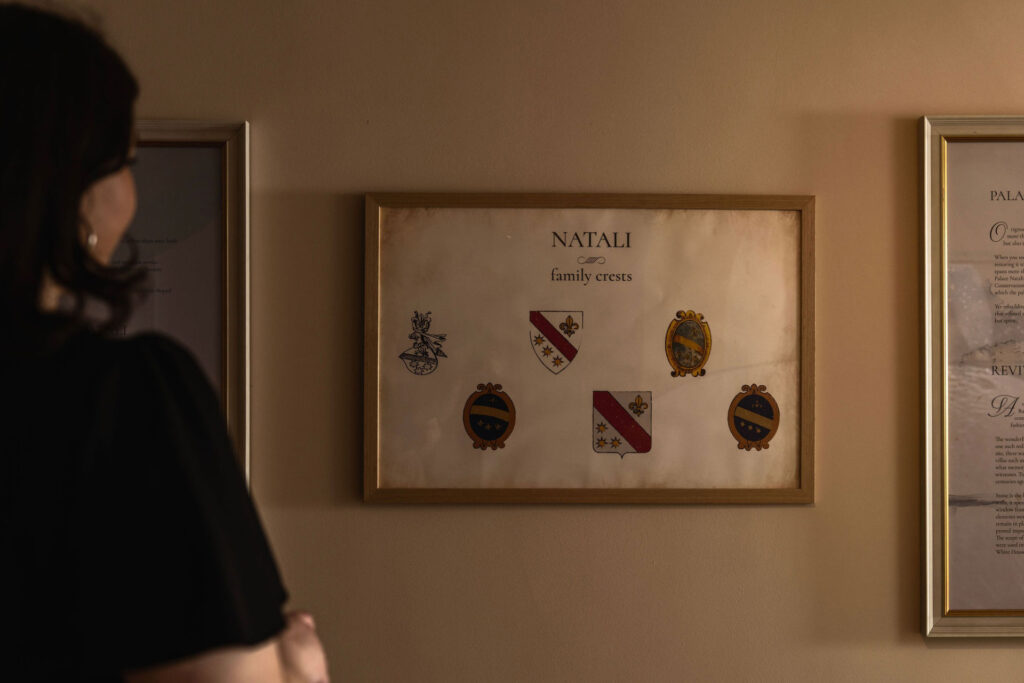
Croatian author Miroslav Krleža once said, “Culture is the memory of humanity.” At Palace Natali, that memory lives not only in stone walls and Renaissance gardens, but also in the stories that continue to be told. Once home to noble families of the Dubrovnik Republic, it is built on the conviction that shaped life beyond the city walls: that a life well lived required time set aside for writing, conversation, and reflection, held apart from the pace of the city below. These summer residences were built as places where time was devoted to conversation, learning and the exchange of ideas.
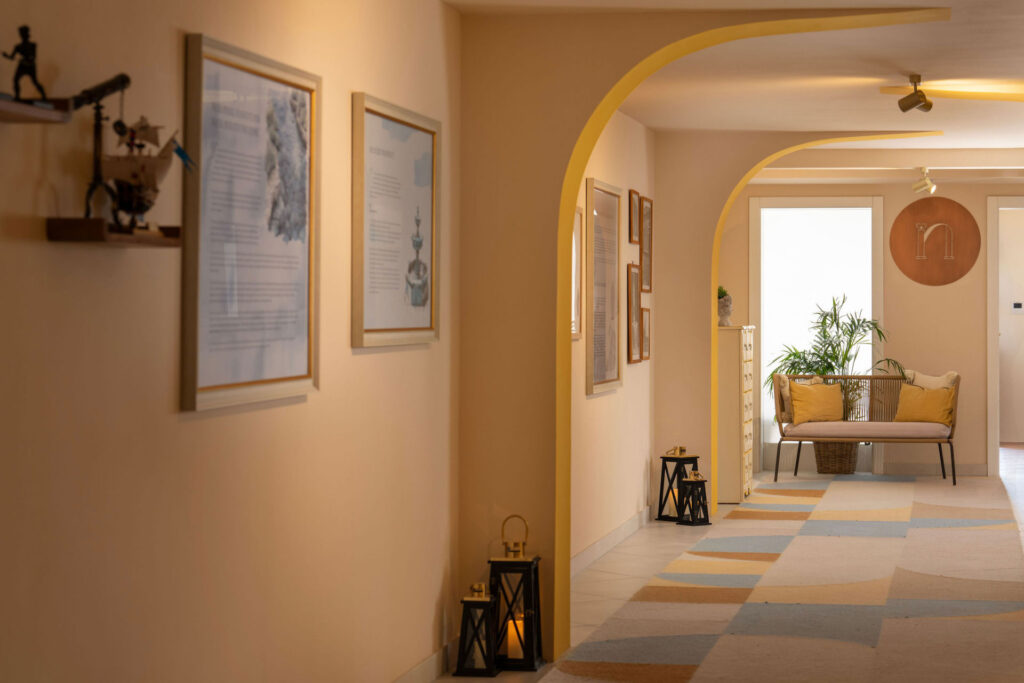
Each day, guests of the residence are invited to discover more about this legacy through The Art of Conversation. The hallway serves as a living timeline of the Republic, tracing five centuries of governance, independence and cultural life. By sharing our history, we create a starting point for curiosity, questions and conversation. Every story has another layer to uncover, and every conversation offers the possibility of seeing the past from a different perspective. At Palace Natali, history becomes part of the dialogue, paying tribute to the way of life that once shaped the residence.
The Art of Writing
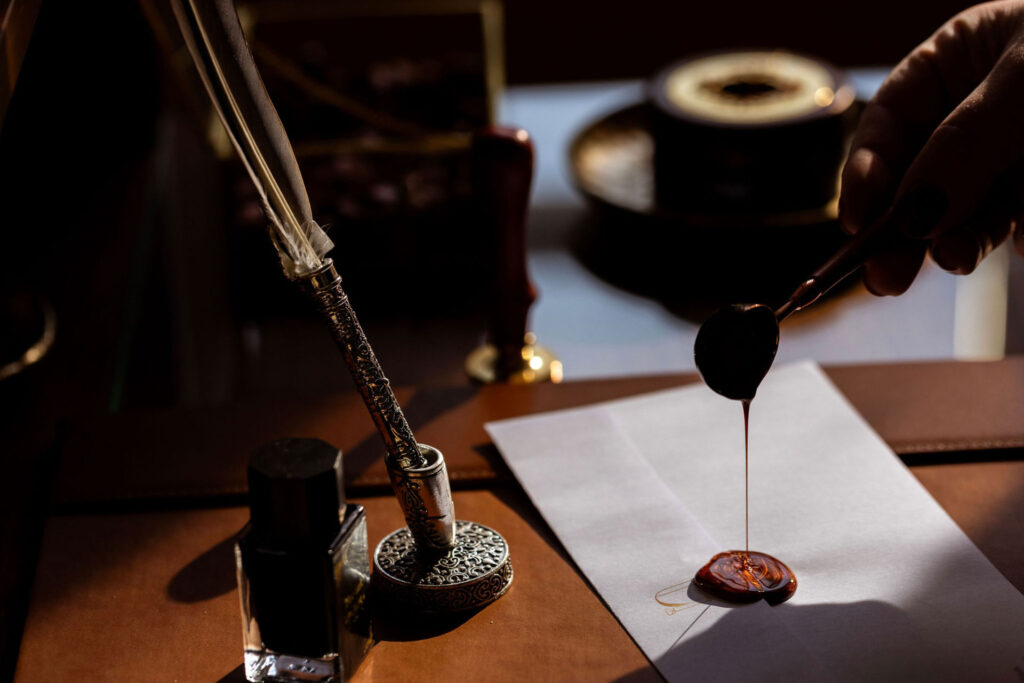
The simple pleasure of writing a letter.
There is something different about putting pen to paper. Thoughts seem to slow down. Words find their place more naturally. For centuries, letters carried news, ideas and affection across great distances, connecting people between countries, generations and time. The idea behind The Art of Writing draws on that tradition.
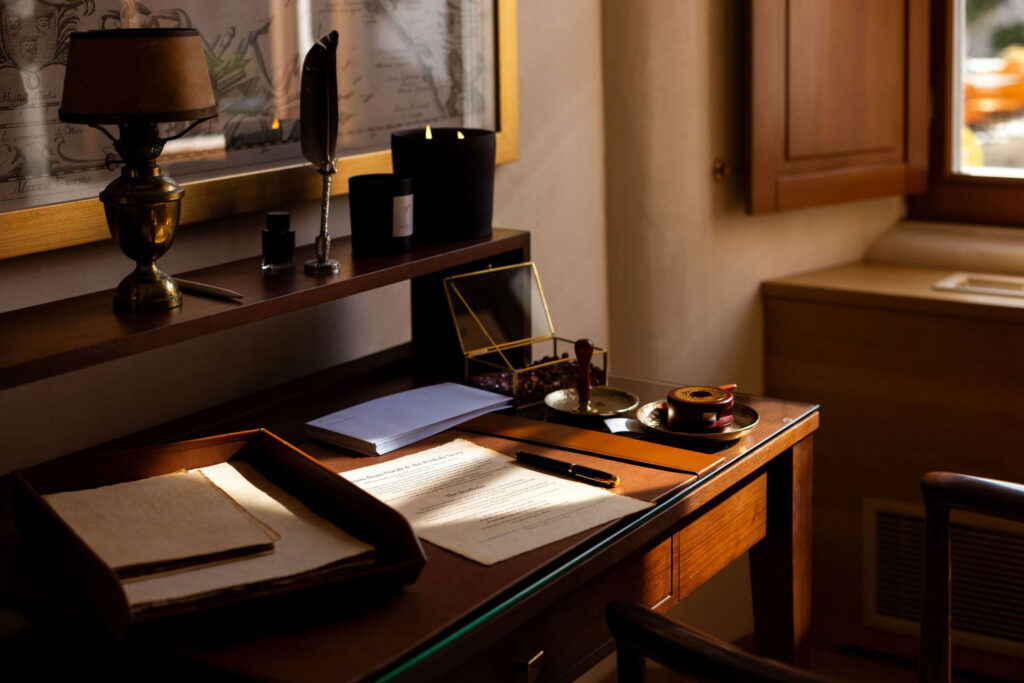
Within the Studiolo, a room dedicated to knowledge, guests are invited to spend time with the written word. A collection of writing tools, including quill and ink, dip pens, early fountain pens and the penkala, offers a quieter encounter with a practice that has long shaped human communication.
Guests may write a letter to themselves or to someone they love using a handmade paper with deckled edges. Once completed, the letter is posted from Palace Natali, becoming a personal memento of their time in Dubrovnik.
A curious detail: Slavoljub Eduard Penkala patented the mechanical pencil in Zagreb in 1906 and the world’s first solid-ink fountain pen the following year. In Croatia, a pen is still known as a penkala, carrying his name more than a century later.
The Art of Reflection
An hour shaped by otium, the tradition of cultivated leisure that formed life in Dubrovnik’s noble residences.
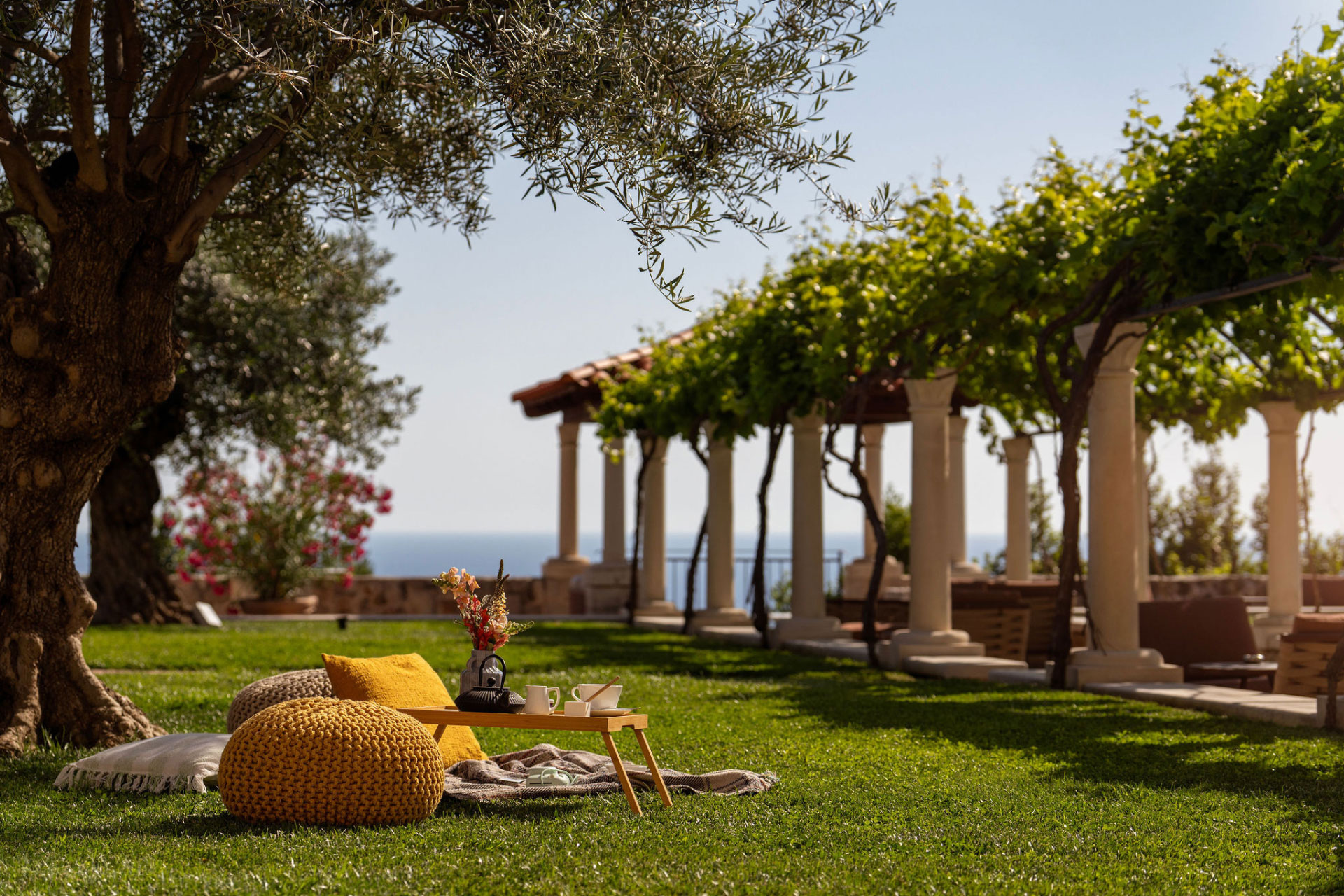
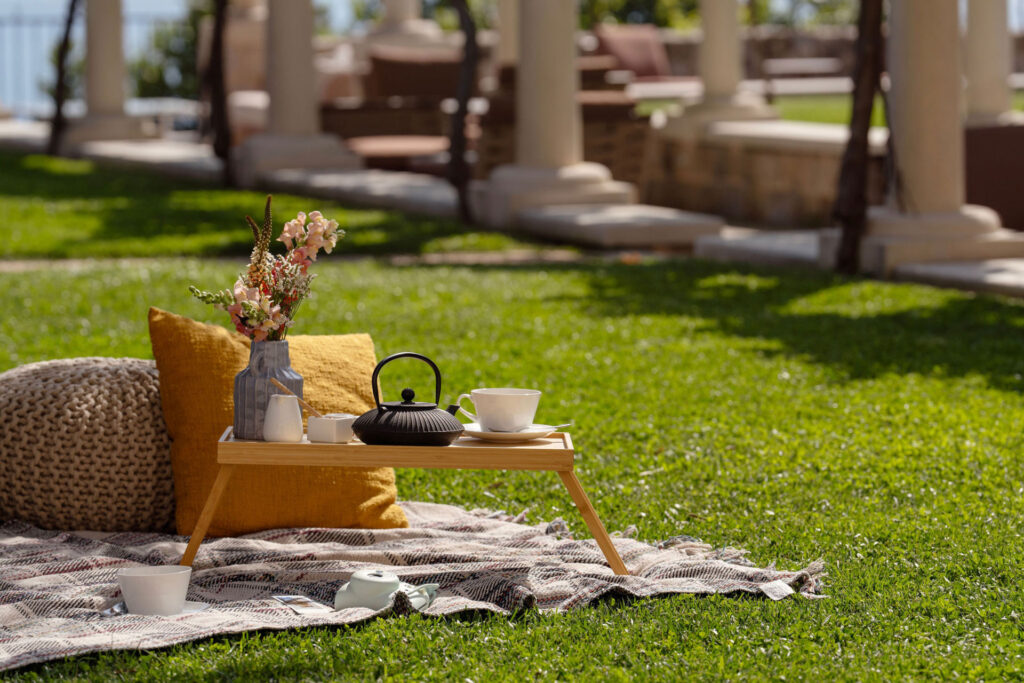
In a time when every moment seems accounted for, perhaps the greatest luxury is time itself. Time to pause, to breathe and simply be present. The Art of Reflection is devoted to exactly that: an hour in the day set aside for being in the moment, within the garden, inspired by otium, a much-needed counterpoint to the pace of modern life.
During Quiet Hour, guests are invited to slow down and surrender to the moment they are in. Feel the grass beneath their feet, to find a place beneath the olive trees and let the pace of the day soften for a while, allowing thoughts to wander freely. Guests can also choose to spend time with the Natali reflection cards, created around questions intended to guide thought. A chilled herbal infusion of lemon verbena, mint, lemon balm, ginger and honey is prepared each afternoon, helping to calm and soothe the senses.
Some conversations and thoughts may begin in the garden. Others remain with the guest long after the hour has passed.
Conversation. Writing. Reflection. They are simply ways of spending time, inspired by heritage that has shaped this residence for centuries. In a city often experienced at speed, Palace Natali offers something quieter: the opportunity to inhabit Dubrovnik rather than merely visit it.